

Most of us hear about wisdom teeth removal long before we ever deal with it ourselves. A coworker disappears for a few days. A younger sibling comes home with an ice pack pressed to their jaw. Someone casually mentions that you should “just get them out early, before they become a problem.”
It sounds like common sense. But is it actually true?
The short answer: not always.
Wisdom teeth don’t automatically need to come out. Some people keep them their whole lives without a single issue. Others run into real problems — infections, crowding, damage to nearby teeth — and removal becomes the obvious call. What matters isn’t the teeth themselves, but what they’re actually doing inside your mouth.
That’s why a proper exam is so much more useful than general advice. If you’ve been wondering about your own wisdom teeth, seeing a dentist in Woodbridge is the most straightforward way to get a clear picture of whether you need to act or whether you’re fine to wait.
What Are Wisdom Teeth, Exactly?
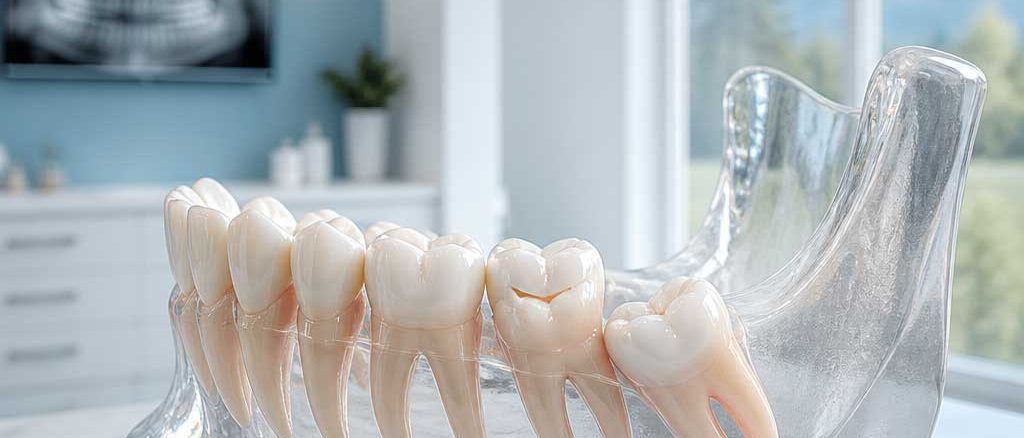
Wisdom teeth are your third molars — the ones that sit at the very back of your mouth, one in each corner. They typically come in somewhere between your late teens and mid-twenties, though the timing varies quite a bit from person to person. Most people develop four of them, but some have fewer, and a small number never grow them at all.
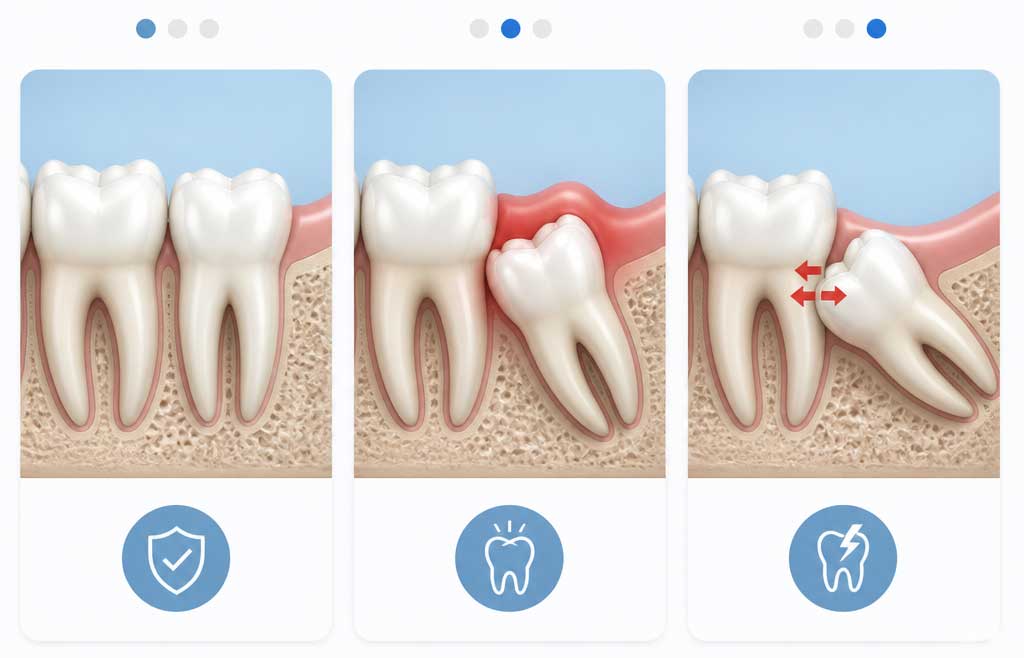
When there’s enough room and the teeth come in at a reasonable angle, they can function just like your other back teeth. The trouble starts when there isn’t enough space for them to emerge properly. A wisdom tooth might stay buried under the gum, or partially push through, or grow in at an angle and press against the tooth beside it. Any of these situations is generally described as an impacted wisdom tooth.
Impacted doesn’t automatically mean dangerous. But it does mean someone should take a proper look.
Why Keeping Them Is Sometimes Perfectly Fine
There’s a persistent assumption in dentistry — and in casual conversation — that wisdom teeth are problems waiting to happen. For some people, that’s true. For others, it really isn’t.
If a wisdom tooth has fully come in, sits comfortably in alignment with your other teeth, doesn’t cause you pain, and is easy enough to brush and floss, there may be no reason to remove it. In those situations, your dentist will likely just keep an eye on it during your regular checkups. That’s genuinely a reasonable plan — not a way of putting off the inevitable.
What’s worth keeping in mind is that wisdom teeth at the back of your mouth are harder to clean well. Even a healthy one can quietly develop a cavity or start to affect the gum tissue around it if you’re not paying attention to it. So keeping them doesn’t mean ignoring them. It means monitoring them consistently.
When Removal Makes More Sense
There are situations where the evidence clearly points toward removal — and this is where the decision stops being about preferences and starts being about what’s actually happening in your mouth.
A dentist will look at symptoms, X-rays, gum condition, tooth positioning, and the health of the neighbouring molar before making a recommendation. If a wisdom tooth is infected, decayed, causing consistent pain, or putting pressure on the tooth beside it, removal is usually the more sensible path. The same goes for a tooth that’s only partially erupted and keeps trapping food in a spot that’s impossible to clean properly.
One of the more common issues is something called pericoronitis — a situation where gum tissue partly covers the wisdom tooth and creates a small pocket where bacteria accumulate. The area becomes swollen and tender, sometimes making it uncomfortable to open your mouth fully. There might be a persistent bad taste or an unpleasant smell that doesn’t go away with brushing. If it happens once and clears up on its own, monitoring might still be reasonable. But if it keeps coming back, removal tends to be the safer long-term choice.
The Role of X-Rays in Making This Call
Looking inside your mouth only tells part of the story. What’s happening below the gum line — the angle of the tooth, how close the roots are to a nerve, whether there’s a cyst forming around an impacted tooth — only shows up on imaging.
A dental X-ray can reveal whether a wisdom tooth is pressing against the molar beside it, how much bone is involved, and whether there are signs of decay or damage that aren’t obvious from the surface. It’s the part of the evaluation that makes the recommendation genuinely evidence-based rather than a guess.
At a dental office in Woodbridge, digital imaging lets you actually see what’s going on, not just hear about it. That tends to make the conversation about next steps a lot clearer.
Pain Isn’t the Only Warning Sign
It’s tempting to assume that if nothing hurts, everything is fine. With wisdom teeth, that’s not always true.
Some problems develop slowly. You might notice mild pressure at the back of your jaw, soreness when biting down, or gum tissue that feels puffy and sensitive. Stiffness when opening your mouth can also be a warning sign. So can a faint bad taste that lingers after brushing.
Sometimes the issue is found during a routine visit before you notice symptoms yourself. That is why regular checkups matter. They can catch problems while they are still manageable.
If any of these signs sound familiar, it may be time to discuss Wisdom Teeth Removal or monitoring at your next appointment. Waiting until the pain becomes severe usually makes treatment more complicated.
What Happens If You Leave Them Alone?
If your wisdom teeth are healthy, leaving them in place can be a reasonable choice. Many people do that and never have a problem.
But when a wisdom tooth is already causing trouble, waiting usually makes things worse. A partially erupted tooth can collect bacteria. A decayed tooth can become infected. A tooth pressing at an angle can slowly damage the molar beside it, which is often a bigger concern than the wisdom tooth itself.
In rarer cases, cysts can develop around an impacted tooth. That is why dentists monitor impacted wisdom teeth, even when they are not causing pain.
The goal of Wisdom Teeth Removal is not to pull teeth unnecessarily. The goal is to prevent damage that could have been avoided.
Monitoring vs. Acting — What’s the Difference?
For a lot of patients, the appropriate first step is simply to monitor. This means your dentist checks on the wisdom teeth at regular visits and compares X-rays over time to watch for any changes.
Monitoring makes sense when there’s no pain, no infection, no decay, and no sign that the tooth is affecting anything nearby. It’s a conservative approach — which is the right approach when the risk is genuinely low.
The recommendation shifts toward treatment when things change: ongoing discomfort, a recurring infection, decay that’s getting worse, or evidence that nearby teeth are being affected. A good Woodbridge dentist will explain the actual reason behind a recommendation rather than offering a blanket answer that doesn’t take your specific situation into account.
Is Earlier Removal Always the Better Choice?
You might have heard that it’s better to remove wisdom teeth while you’re young, before the roots are fully developed. That’s not entirely wrong — younger patients do tend to recover faster, and the procedure can be more straightforward when the roots are shorter.
But that’s not a reason to remove teeth that don’t need to come out. The more useful question isn’t “how old are you?” It’s “what is this tooth actually doing?”
If it’s impacted and clearly heading toward a problem, or if it’s already causing recurring infections, earlier removal often makes sense. If it’s healthy and stable, monitoring is still a legitimate option regardless of age.
What Removal Actually Involves
If removal turns out to be the right call, your dentist will walk you through whether you’re looking at a straightforward extraction or something more involved.
A simple extraction works when the tooth has fully come in and is accessible without much difficulty. A surgical extraction is needed when the tooth is still under the gum or bone — which is more common with impacted wisdom teeth.
Either way, the area is numbed with local anaesthesia, so the procedure itself shouldn’t be painful. A lot of people build it up in their heads based on what they’ve heard from others, and then find it much less eventful than expected. Recovery is usually the more uncomfortable part, not the appointment itself.
Recovery: What to Expect
Most people feel noticeably better within a few days. Full healing of the tissue typically takes one to two weeks, depending on the complexity of the extraction.
The basics: rest on the first day, stick to soft foods (yogurt, soup, smoothies, mashed potatoes), avoid straws in the early days since the suction can disturb the healing clot, and be gentle when rinsing around the site. Some swelling and soreness are completely normal. Ice packs during the first 24 hours help with both.
If the pain gets noticeably worse after the first few days rather than better, call your dentist. That pattern can sometimes indicate a dry socket, which is manageable but does need attention.
Following the aftercare instructions closely makes a real difference in how comfortable the recovery feels.
So — Do All Wisdom Teeth Need to Come Out?
No. They don’t.
Some wisdom teeth can stay in place indefinitely. Some should come out, either because they’re already causing problems or because the risk of future complications is high enough to make removal the smarter choice.
What matters is getting a proper evaluation — not acting on fear, and not ignoring something that’s actually progressing.
If you’re unsure about your own situation, a dentist in Woodbridge can look at your teeth, review your X-rays, and give you a straight answer based on what’s actually going on. That’s genuinely more useful than worrying about it or waiting for it to get bad enough to force a decision.
Frequently Asked Questions
Do all wisdom teeth need to be removed?
No. Removal is only recommended when there’s an active problem or a clear risk of one developing.
Can wisdom teeth stay if they don’t hurt?
Yes. If they’re healthy, properly positioned, and easy to keep clean, monitoring is often the right approach.
What signs should prompt a visit?
Pain, swelling, a persistent bad taste, gum irritation, jaw stiffness, or difficulty cleaning the area are all worth getting checked.
Can impacted wisdom teeth be left alone?
Sometimes, yes — particularly if they’re not causing symptoms or affecting nearby structures. Regular monitoring with X-rays is usually recommended in those cases.
Is early removal always better?
Not necessarily. Timing matters less than what the tooth is actually doing. The recommendation should be based on symptoms, position, and risk — not just age.
Can a general dentist remove wisdom teeth?
Yes, in many cases. More complex extractions may be referred to an oral surgeon, but routine wisdom tooth removal is well within a general dentist’s scope.
Is wisdom tooth removal painful?
The procedure itself shouldn’t hurt — the area is numbed beforehand. Some soreness afterward is normal and typically manageable with over-the-counter pain relief.
Final Thoughts
Wisdom teeth aren’t automatically a problem. They’re only a concern when they’re actively affecting your comfort, your ability to keep your mouth clean, or the health of your other teeth.
The best decisions here are based on evidence — not on what someone heard happened to their cousin, and not on reflexive caution in either direction. X-rays, symptoms, gum health, and tooth position all factor in.
At Milani Dentistry, patients get honest guidance based on their own situation — not a one-size-fits-all recommendation. If you’ve been putting off figuring out what’s happening with your wisdom teeth, call +1-905-856-9966 to book a consultation. It’s much easier to address questions early than to deal with a problem that’s had time to develop.
