

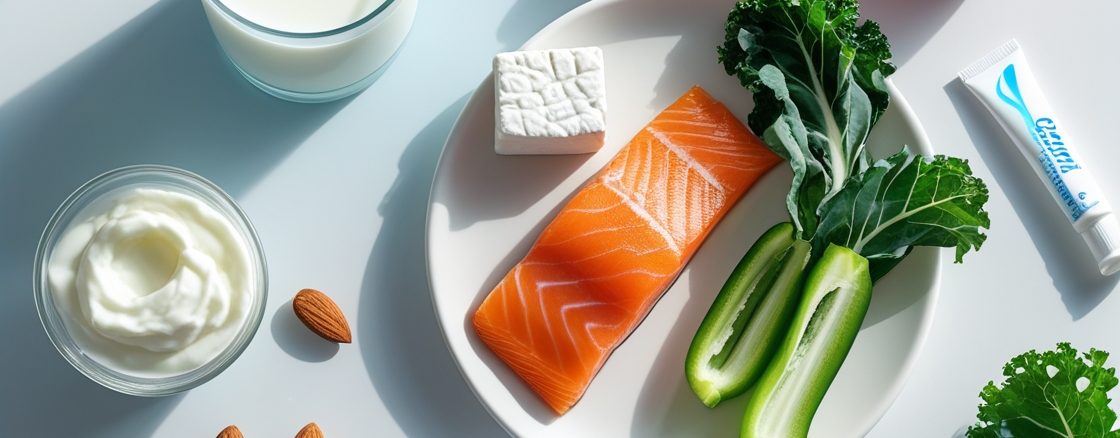
Strong teeth are shaped as much by daily meals as by dental visits. Enamel—the body’s hardest tissue—constantly trades minerals with saliva. The foods you choose, how often you snack, and even what you sip between meals can tip that balance toward strength or softening. This guide explains the nutrients with the biggest payoff and the everyday habits that help them work harder for your smile.
Calcium: the structural cornerstone of enamel
Calcium gives enamel and dentin their rigidity. Aim to meet your daily needs with balanced meals rather than grazing all day. Dairy options like plain yogurt, milk, and cheese deliver calcium and help neutralize acids after eating. Plant-forward choices such as calcium-set tofu, fortified plant milks, almonds, tahini, and greens like bok choy or kale are excellent too. Pair calcium with meals so enamel is not repeatedly exposed to acids from constant sipping.
Vitamin D: the absorption gatekeeper
You can eat plenty of calcium, but without vitamin D your body absorbs far less of it. Food sources include fatty fish, fortified dairy or plant milks, and eggs. Because indoor lifestyles and long winters can lower vitamin D status, consider discussing a blood test with your physician. When we coordinate preventive plans, we factor in vitamin D because it directly influences how well your body uses dietary calcium to keep enamel resilient.
Vitamin K2, phosphorus, and magnesium: the supporting cast
Vitamin K2 helps shuttle calcium to hard tissues, phosphorus partners with calcium to build hydroxyapatite crystals, and magnesium supports mineralization and healthy saliva. You will find these in egg yolks, certain cheeses, fermented foods, fish, poultry, beans, nuts, seeds, and whole grains. They may not be trendy, but together they keep the mouth’s mineral economy stable.
Vitamins A and C: healthy tissues and calm gums
Vitamin A supports the cells that protect oral surfaces and the salivary glands that bathe your teeth. Vitamin C strengthens collagen in gum tissue and supports healing. Include colourful vegetables and fruits—think peppers, broccoli, berries, carrots, sweet potatoes, and leafy greens—alongside protein. If you enjoy citrus, have it with meals and rinse with water afterward to limit acid impact.
Topical “nutrition”: fluoride and hydroxyapatite
Daily use of fluoride or hydroxyapatite toothpaste rebuilds and hardens enamel at the microscopic level. These ingredients integrate into the mineral matrix and make it more acid-resistant. Your dental team may also recommend professional fluoride varnish if you have sensitivity, frequent snacking, dry mouth, or early signs of demineralization.
Saliva: your built-in repair system
Saliva buffers acids and supplies calcium and phosphate to repair early soft spots. Dehydration, mouth breathing, certain medications, and alcohol-heavy rinses can dry the mouth. Practical fixes include drinking water regularly, using sugar-free xylitol gum to stimulate flow, and addressing nasal congestion or snoring with your physician. If dry mouth persists, targeted strategies can protect enamel while you restore moisture.
Meal timing beats constant grazing
Each time you eat, bacteria convert carbohydrates into acids for about 20–30 minutes. Frequent snacking keeps the mouth in a prolonged acid cycle. Favour defined meals, choose purposeful snacks (protein plus fibre), and keep sweets with mealtimes when saliva is already flowing. Rinse with water after coffee, juice, or sports drinks; wait about 30 minutes before brushing so you do not scrub softened enamel.
Smart choices for every eating style
Dairy-friendly plans might include yogurt with nuts, cheese after meals, and milk with dinner. Plant-forward plans work with fortified soy or almond milk, calcium-set tofu stir-fries, tahini dressings, legumes, and leafy greens. On-the-go options like almonds, string cheese, tuna packs, or hummus with vegetables give protein and minerals without bathing teeth in constant sugars or acids. For children, offer water between meals, milk at meals, crunchy fruits and vegetables, and begin routine dental visits early for varnish and sealants.
A quick daily checklist
Brush gently twice daily with a soft brush and a fluoride or hydroxyapatite toothpaste. Clean between teeth once a day with floss or interdental brushes. Include calcium-rich foods and steady protein at meals. Get reliable vitamin D through diet, safe sun, or as advised by your doctor. Space snacks, rinse with water after acidic drinks, and consider xylitol gum if you experience dry mouth. Small, consistent steps compound into stronger enamel and calmer gums.
A holistic perspective that connects nutrition and dentistry
Sleep quality, stress, reflux, nasal versus mouth breathing, and hydration all influence the oral environment. A broader, whole-person approach can weave dietary upgrades with simple habit changes—like switching to a softer brush, adopting a remineralizing toothpaste, spacing meals, and setting up a realistic snack plan that protects enamel without feeling restrictive.
Your Woodbridge partner for nutrition-smart smiles
At Milani Dentistry, we combine evidence-based prevention with clear, practical coaching tailored to your routine. If you are comparing options for a dentist in woodbridge or searching for dentistry in woodbridge that aligns with your health goals, our team designs plans you can actually follow—from diet pointers to remineralization care—so results last.
Book care that supports strong teeth from the kitchen to the clinic
Under the guidance of Dr. Navid Milani, our community-focused practice is a trusted dental office in woodbridge and comprehensive dental centre woodbridge. Many new patients find us while looking for the best dentist in woodbridge or simply typing dentist near me. If you want personalised, prevention-first care with a holistic dentist woodbridge outlook, call +1-905-856-9966. We will help you translate nutrition into everyday habits—and keep your smile strong for the long term.