

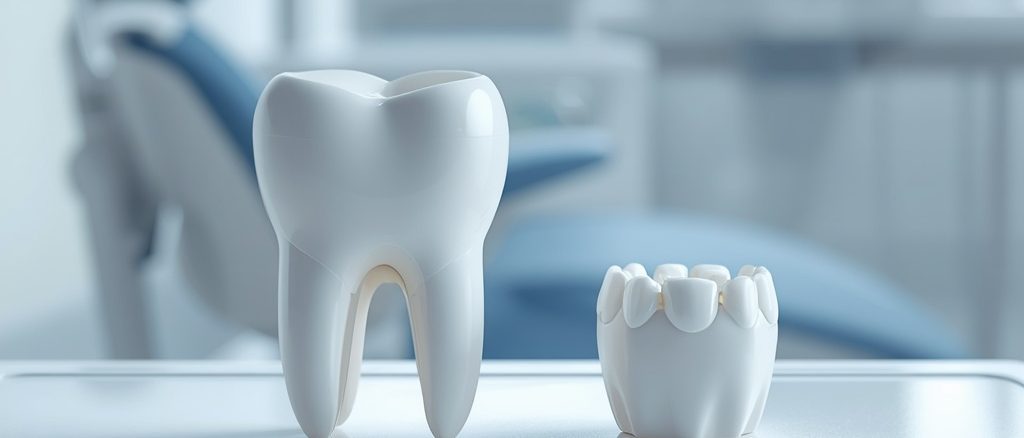
Not every root canal tooth needs a crown, but many do, especially at the back of the mouth. It comes down to three things: which tooth was treated, how much healthy tooth is left, and how much force that tooth has to handle every day. A front tooth with a small opening and plenty of sound structure can often be rebuilt with a bonded composite filling.
It can feel strange to be told you need another appointment when the tooth already feels fine. The root canal dealt with the inside of the tooth. What comes next has a different job: sealing the opening and getting the tooth ready for years of chewing. If you’re weighing a crown after root canal treatment in Woodbridge, knowing the difference makes that conversation much easier.
Why a Tooth Needs Protection After a Root Canal
During a root canal, your dentist removes the inflamed or infected pulp from inside the tooth, then cleans, fills and seals the canals. The part above the gumline still has to be rebuilt.
Many of these teeth were already weak before treatment. Decay, a big old filling or a crack may have taken away a lot of structure, and getting into the canals removes a bit more. That lost structure is the main reason a root-treated tooth can break.
You may have heard that a tooth turns brittle once the nerve is gone. That’s an oversimplification. What matters far more is how much of the tooth is left and where it is.
A crown covers the prepared tooth and helps protect the remaining structure from chewing forces. A filling rebuilds or closes one area, but it doesn’t wrap around the chewing surfaces the way a crown does.
Which Teeth Usually Need a Crown?
Molars and premolars are the most common candidates. They take the heaviest chewing loads, and their raised points (called cusps) can snap off when the tooth has been heavily restored.
Your dentist will look at how much healthy tooth sits above the gumline, whether there’s already a large filling, and any cracks or broken cusps. They’ll also check how your upper and lower teeth come together, whether you clench or grind, and whether the tooth can hold a restoration reliably.
The Canadian Dental Association notes that the choice between a permanent filling and a crown depends on how strong the remaining tooth is, and that back teeth are more likely to need a crown.
Can a Front Tooth Be Restored Without a Crown?
Sometimes. If the access opening is small, there are no significant cracks and most of the tooth is intact, a bonded composite filling may be all it takes.
Front teeth aren’t automatically in the clear, though. Heavy decay, a large earlier filling or real damage can still make a crown the better choice. Colour can play a part too, particularly if the tooth has darkened. It helps to ask your dentist which parts of the recommendation are about strength and which are about appearance, so you know what each option actually does for you.
Is a Full Crown Your Only Choice?
Not always. An onlay or another partial-coverage restoration can protect weakened chewing areas while saving more of your natural tooth. These work only in the right conditions. The enamel that’s left, the location of the damage and whether a dependable seal is possible all matter.
A good question to ask: “Why is a crown a better fit than a filling or an onlay for this tooth?” The answer should point to something your dentist found in your mouth.
How Soon Should You Get the Final Restoration?
As soon as your dentist or endodontist says the tooth is ready. There’s no single waiting period that suits everyone, since timing depends on your symptoms, the treatment done and whether anything else needs checking. Before you leave the root canal appointment, ask for a clear plan.
A temporary filling covers the opening between visits, but it isn’t built to last. If it wears down or breaks, the tooth is exposed to fracture and leakage. According to the American Association of Endodontists, a delayed final restoration and a seal that lets bacteria in are both recognised reasons a treated tooth can run into trouble later.
Until your dentist gives the go-ahead, skip hard foods and don’t bite down hard on that tooth. If the temporary filling falls out, call the clinic.
What Happens at the Crown Appointment?
Your dentist starts by checking the tooth and the gums around it. If a lot of structure is missing, the tooth may get a build-up (sometimes called a core) before anything else is done.
Next, the tooth is shaped and a digital scan or impression is taken. Depending on how your crown is made, you may wear a temporary one while the permanent crown is prepared. Before it goes on for good, your dentist checks the fit, how it touches the neighbouring teeth and how your bite feels.
Some teeth also need a post, which helps hold the core in place when very little tooth is left. It isn’t needed every time, and it’s there for retention. It doesn’t make the root stronger.
Does Getting a Crown After a Root Canal Hurt?
The pulp is gone, but the gum and the tissue around the root can still feel pressure or soreness. Your dentist can use local anaesthetic during crown preparation if needed.
If the tooth is still painful before the appointment, say so. Pain that hasn’t settled should be looked at first. And once the crown is on, call the clinic if your bite feels high or the tooth aches when you chew. Your dentist can check whether the bite needs adjusting or whether another issue is causing the discomfort.
Taking Care of the Tooth in the Meantime
Follow whatever instructions you were given for your tooth. In general, brush with fluoride toothpaste and clean between your teeth, going gently around temporary work. Avoid ice, hard candy and heavy chewing on the treated side.
Follow your dentist’s advice on the temporary crown or filling, and keep the restoration appointment even if the tooth feels perfectly fine.
The American Association of Endodontists gives the same advice about hard foods and heavy biting until your dental team clears you.
After the final restoration is in, daily cleaning and regular checkups still count. A root-treated tooth can get new decay, and the gums around it need care like any other.
When to Call Your Dentist
Get in touch if you notice swelling, severe or worsening pain, a bite that feels uneven, or a temporary restoration that’s loose or gone. Symptoms that come back after improving also need attention.
Pain doesn’t automatically mean the root canal failed. Your dentist has to examine the tooth to find the cause. If swelling affects your breathing or swallowing, seek emergency medical care right away.
Frequently Asked Questions
Does every root canal tooth need a crown?
No. Back teeth often do, but some front teeth with enough healthy structure can be restored with a bonded filling.
Can I wait until the tooth hurts before getting a crown?
That’s risky. A tooth can feel fine and still need protection. Stick to the schedule your dentist recommends.
Can I chew normally before the permanent crown is on?
Not until your dentist says it’s safe. Avoid hard foods and heavy biting on that tooth. A temporary restoration doesn’t protect it the way the finished one will.
Will a crown keep the tooth from getting infected again?
Nothing can promise that. A well-fitted restoration helps protect the seal, but new decay or damage can still cause problems.
Do I need a post as well?
Only some teeth do. A post may be used to hold the core when there isn’t enough tooth left.
What if I can’t afford the crown right now?
Tell the team early. Ask what delaying could risk, what alternatives exist and for a written estimate. Coverage varies with your plan and the treatment proposed.
Your Next Step in Woodbridge
The right restoration is the one that keeps your tooth sealed and strong enough for daily use. Ask your dentist to walk you through how much tooth remains, why they’re recommending a particular option and when it should happen.
If you’d like advice about a crown after root canal treatment, contact Milani Dentistry at +1-905-856-9966. Our team can examine the tooth and talk through your options.
